If you’re experiencing this problem, you’re not alone. Many homeowners search for answers after noticing their AC running but not cooling, and the cause isn’t always obvious. Sometimes it’s as simple as a clogged air filter. Other times, the issue may involve refrigerant leaks, frozen coils, electrical components, or even a failing compressor.
The good news is that many cooling problems can be identified with a few basic checks before scheduling service.
In this guide, you’ll learn:
- The most common reasons your air conditioner is not cooling
- Which issues you can safely inspect yourself
- When it's time to call an HVAC professional
- How to prevent the problem from happening again
Quick Answer: Why Is My AC Running But Not Cooling?
Signs Your AC Is Running But Not Cooling
You may notice one or several of the following symptoms:
- Warm or room-temperature air coming from supply vents
- Weak airflow throughout the house
- The AC runs almost continuously without reaching the thermostat setting
- Indoor humidity feels higher than normal
- Certain rooms stay hot while others feel comfortable
- Ice forming on refrigerant lines or the indoor evaporator coil
- The outdoor condenser unit is running, but the house isn't getting cooler
- Higher-than-normal electricity bills
- Longer cooling cycles than usual
9 Common Causes of an AC Running But Not Cooling
1. Dirty Air Filter Restricting Airflow
One of the most common reasons a home AC is not cooling enough is a dirty air filter.
Your air filter traps dust, pollen, pet hair, and airborne debris before they circulate through your HVAC system. Over time, the filter becomes clogged, making it difficult for air to pass through the system.
When airflow is restricted, your air conditioner has to work much harder to cool your home. The reduced airflow can also cause the evaporator coil to become too cold, allowing moisture to freeze on the coil. Once ice forms, cooling performance drops dramatically.
- Weak airflow from vents
- AC running constantly
- Ice on refrigerant lines
- Uneven temperatures throughout the home
- Higher energy bills
How to Check It
Turn off your HVAC system and remove the air filter.
Hold it up to a light source.
If very little light passes through the filter or it’s covered in dust and debris, it’s time for a replacement.
Most residential HVAC systems require filter replacement every 1 to 3 months, depending on:
- Pets in the home
- Allergy concerns
- Indoor air quality
- Filter thickness (MERV rating)
- How frequently the system runs
Replacing a dirty filter is one of the easiest and least expensive ways to restore airflow and improve cooling efficiency.
Minnesota Tip: During hot, humid Minnesota summers, air conditioners often run for extended periods. Check your filter monthly during peak cooling season, especially if you have pets or construction dust in your home.
2. Thermostat Settings Are Incorrect
Sometimes the issue isn’t with your air conditioner at all—it’s the thermostat.
Even experienced homeowners occasionally overlook a simple setting that prevents the system from cooling effectively.
Check These Settings First
Is the thermostat set to COOL?
It may sound obvious, but accidentally switching the thermostat to “Heat” or “Fan” mode happens more often than you’d think.
Is the fan set to ON instead of AUTO?
When the fan is set to ON, it runs continuously—even when the compressor isn’t actively cooling the air.
This can make it feel like your AC is blowing warm air, even though the cooling cycle has already ended.
Setting the fan to AUTO ensures it only runs while the system is actively cooling.
Is the temperature set low enough?
Verify the thermostat is set several degrees below your current indoor temperature.
For example:
- Indoor temperature: 78°F
- Thermostat setting: 72°F
This should immediately call for cooling.
Does the thermostat need batteries?
Many programmable thermostats rely on batteries for proper operation.
Weak batteries can cause:
- Incorrect temperature readings
- Programming errors
- Display problems
- Communication failures
Replace batteries annually if your thermostat uses them.
Is your schedule programmed correctly?
Smart thermostats can automatically adjust temperatures throughout the day.
Review your programmed schedule to ensure the system isn’t intentionally allowing the house to warm during occupied hours.
3. Frozen Evaporator Coil
A frozen evaporator coil is another common reason an air conditioner isn’t cooling.
The evaporator coil absorbs heat from your home’s indoor air. Under normal conditions, moisture condenses on the coil and drains away.
However, when airflow becomes restricted—or refrigerant levels drop—the coil temperature can fall below freezing. Moisture then freezes into ice, preventing the coil from absorbing heat effectively.
Once enough ice accumulates, the AC may continue running while producing little or no cool air.
Common Causes of Frozen Coils
- Dirty air filters
- Blocked supply or return vents
- Dirty evaporator coils
- Low refrigerant
- Blower motor problems
- Restricted ductwork
- Ice on refrigerant tubing
- Ice visible on indoor coils
- Water around the indoor unit after thawing
- Weak airflow
- Warm air from vents
- AC runs constantly
What Should Homeowners Do?
If you suspect frozen coils:
- Turn the thermostat OFF.
- Switch the fan to ON to help thaw the ice.
- Replace a dirty air filter if needed.
- Wait several hours before restarting the system.
If the coils freeze again after restarting, the problem likely involves airflow restrictions or refrigerant issues that require professional diagnosis.
4. Low Refrigerant Levels
Your air conditioner doesn’t consume refrigerant like fuel. Instead, refrigerant continuously circulates through a sealed system, absorbing heat inside your home and releasing it outdoors.
If refrigerant is low, there’s almost always a leak somewhere in the system.
As refrigerant levels drop, your AC loses its ability to remove heat effectively. The system may continue running for hours without reaching the desired temperature, resulting in higher energy bills and unnecessary wear on components.
Common Causes of Refrigerant Loss
- Corroded evaporator coils
- Damaged refrigerant lines
- Loose fittings or connections
- Factory defects
- Vibration-related wear over time
- Warm air from vents
- AC running constantly
- Frozen refrigerant lines
- Hissing or bubbling sounds near the indoor or outdoor unit
- Reduced cooling performance
- Longer cooling cycles
Can You Add Refrigerant Yourself?
No.
Refrigerant handling is regulated by the U.S. Environmental Protection Agency (EPA) because improper handling can harm the environment and pose safety risks. Federal regulations require refrigerant leaks to be located and repaired before additional refrigerant is added in many situations.
A licensed HVAC technician will:
- Locate the leak
- Repair the damaged component
- Pressure test the system
- Evacuate moisture and contaminants
- Recharge the system to the manufacturer's specifications
5. Dirty Outdoor Condenser Unit
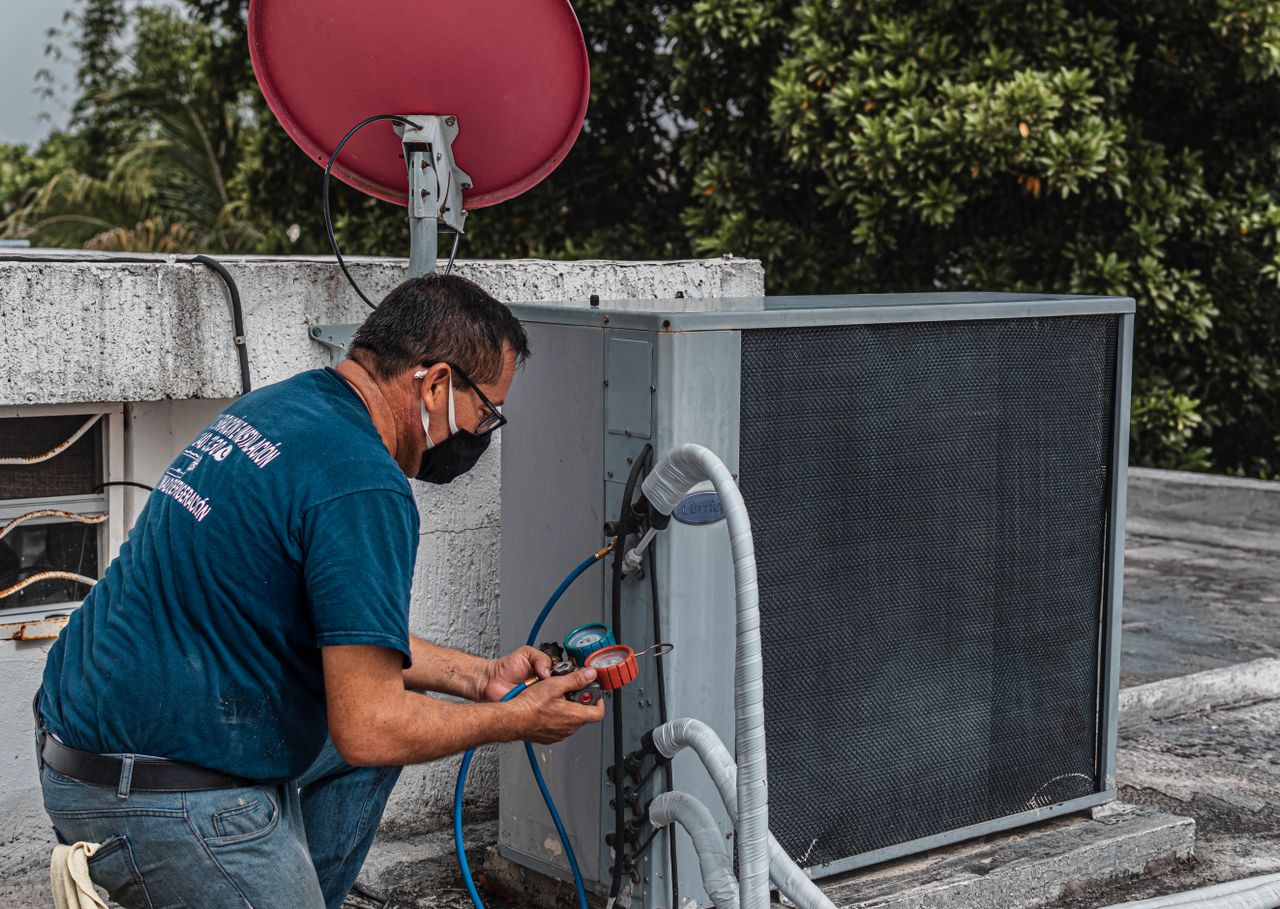
While your indoor unit absorbs heat from your home, the outdoor condenser unit releases that heat into the outside air. For the system to cool efficiently, the condenser coil must have unrestricted airflow.
Over time, the outdoor unit can become clogged with:
- Leaves
- Grass clippings
- Cottonwood fluff
- Dust and dirt
- Pollen
- Pet hair
- Landscaping debris
When debris blocks the condenser coil, heat cannot escape efficiently. As a result, your central air is not cooling the house as effectively, forcing the system to run longer while consuming more electricity.
Signs of a Dirty Condenser
- AC runs continuously
- Warm air coming from indoor vents
- Higher electric bills
- Outdoor unit feels excessively hot
- Reduced cooling during the hottest part of the day
What Homeowners Can Safely Do
Before cleaning the unit, turn off power to the condenser at the disconnect box or breaker.
Then:
- Remove leaves, branches, and debris around the unit.
- Trim shrubs and plants to maintain at least 2 feet of clearance on all sides.
- Gently rinse the condenser coil with a garden hose using light water pressure.
- Avoid using pressure washers, which can bend the delicate aluminum fins.
If the condenser coil is heavily coated with grease, dirt, or debris, professional coil cleaning may be necessary.
Minnesota Tip: Cottonwood trees are common throughout the Twin Cities and can quickly clog outdoor condenser coils during late spring and early summer. Periodically checking the unit during the cooling season can help maintain airflow and efficiency.
6. Blocked or Leaking Air Ducts
Even if your air conditioner is producing cold air, damaged or leaking ductwork can prevent that cooled air from reaching your living spaces.
Many duct systems run through attics, basements, crawl spaces, or wall cavities. If ducts become disconnected, crushed, or develop leaks, conditioned air escapes before reaching the rooms you’re trying to cool.
Common Causes
- Loose duct connections
- Torn flexible ductwork
- Crushed ducts
- Poorly sealed joints
- Rodent damage
- Aging duct insulation
- One room feels much warmer than another
- Weak airflow from certain vents
- Dusty indoor air
- Higher cooling costs
- AC runs longer than normal
- Hot attic air entering the system
A professional duct inspection can identify hidden leaks and determine whether sealing or repairing the duct system will improve comfort and efficiency.
7. Your AC System Is Too Old or Undersized
Sometimes the issue isn’t a broken component at all. An aging or improperly sized air conditioner may simply be unable to keep your home comfortable.
Aging Air Conditioners
Most central air conditioning systems have an expected lifespan of 15 to 20 years with proper maintenance.
As equipment ages:
- Components wear out.
- Efficiency declines.
- Repairs become more frequent.
- Cooling capacity gradually decreases.
- Operating costs increase.
If your system requires frequent repairs and struggles to maintain comfortable temperatures, replacement may provide better reliability and lower energy costs.
Undersized Systems
If your AC was improperly sized when installed, it may never have been capable of cooling your home effectively.
An undersized system often:
- Runs continuously
- Never reaches the thermostat setting
- Wears out more quickly
- Produces higher utility bills
On the other hand, an oversized system can short cycle—turning on and off too frequently—which reduces humidity control and increases wear on components.
A professional load calculation helps determine the correct system size based on your home’s square footage, insulation levels, windows, orientation, and other factors.
AC Troubleshooting Checklist Before Calling for Service
Before scheduling AC repair, there are several simple checks you can safely perform. These steps may resolve minor issues or provide helpful information for the HVAC technician.
✔ Check Your Air Filter
A dirty filter is one of the most common causes of restricted airflow and poor cooling. Replace the filter if it’s clogged with dust or debris.
✔ Verify Thermostat Settings
Make sure the thermostat is:
- Set to COOL
- Set below the current indoor temperature
- Fan set to AUTO
- Powered with fresh batteries if applicable
✔ Inspect the Circuit Breaker
Check your home’s electrical panel for a tripped breaker. If the breaker has tripped once, reset it. If it trips again, leave it off and call a professional.
✔ Inspect the Outdoor Condenser
Look for:
- Leaves
- Grass
- Dirt buildup
- Obstructions around the unit
Maintain at least two feet of clearance around the condenser.
✔ Open All Supply and Return Vents
Closed vents can restrict airflow and contribute to frozen coils. Make sure furniture, rugs, or curtains aren’t blocking vents.
✔ Look for Ice
Inspect visible refrigerant lines and the indoor unit for ice buildup.
If ice is present:
- Turn the thermostat OFF.
- Switch the fan to ON.
- Allow the system to thaw completely before restarting.
✔ Wait After Resetting the Breaker
If you’ve reset a breaker or turned the system off, wait about 5 minutes before restarting the air conditioner. Many systems have built-in time delays to protect the compressor.
When Should You Call an HVAC Professional?
Some cooling problems require immediate professional attention to prevent further damage and restore comfort safely.
Contact an HVAC technician if you notice any of the following:
- Your AC is blowing warm air after replacing the air filter.
- The evaporator coil freezes repeatedly.
- You smell burning odors or notice electrical issues.
- The circuit breaker continues to trip.
- The outdoor unit isn't running.
- The compressor is making unusual noises.
- There is little or no airflow from your vents.
- Your AC won't turn on at all.
- Your home still won't cool after completing the basic troubleshooting checklist.
For homeowners in Minnesota, cooling issues often occur during the hottest days of summer when HVAC systems are under the greatest demand. Scheduling same-day AC repair whenever possible can help prevent additional damage, reduce energy waste, and restore comfort more quickly.
At Norse Home Solutions, our experienced technicians diagnose cooling problems accurately and provide honest recommendations—whether your system needs a simple repair, routine maintenance, or replacement. We proudly serve homeowners throughout Woodbury, St. Paul, Minneapolis, and surrounding Minnesota communities with reliable, same-day HVAC service whenever available.
Replace Your Air Filter Regularly
A clean air filter is essential for proper airflow and efficient cooling.
As a general guideline:
| Home Environment | Replace Filter |
|---|---|
| Standard household | Every 1–3 months |
| Pets | Every 1–2 months |
| Allergy sufferers | Every 30–60 days |
| Heavy AC usage | Check monthly |
Keep the Outdoor Condenser Clean
Your outdoor condenser needs unrestricted airflow to release heat effectively.
Throughout the cooling season:
- Remove leaves and debris
- Trim shrubs and vegetation
- Keep at least 2 feet of clearance
- Gently rinse dirt from condenser fins
- Avoid storing items around the unit
Seal Leaky Air Ducts
Leaking ductwork can waste a significant amount of conditioned air before it reaches your living spaces.
Professional duct sealing can:
- Improve airflow
- Reduce utility bills
- Increase comfort
- Eliminate hot and cold spots
- Reduce strain on your HVAC system
Monitor Refrigerant Performance
Your AC should never “use up” refrigerant under normal operation.
If cooling performance gradually declines, don’t assume the system simply needs more refrigerant. Low refrigerant usually indicates a leak that should be professionally located and repaired.
Ignoring refrigerant leaks can lead to compressor damage, one of the most expensive AC repairs.
Consider a Smart Thermostat
A programmable or smart thermostat can help improve comfort while reducing energy consumption.
Many models allow you to:
- Create customized cooling schedules
- Adjust temperatures remotely
- Monitor energy usage
- Receive maintenance reminders
- Improve system efficiency
Repair vs. Replace: When Does It Make Sense?
Sometimes repairing your air conditioner is the most practical and affordable option. In other cases, investing in a new system may provide better long-term value.
The following comparison can help guide your decision.
| Repair Your AC If… | Replace Your AC If… |
|---|---|
| System is under 10 years old | System is 15–20+ years old |
| Repair is relatively minor | Compressor has failed |
| Energy bills remain reasonable | Utility costs continue increasing |
| Refrigerant is still readily available | Uses obsolete refrigerant (such as R-22) |
| Few previous repairs | Frequent breakdowns |
| System is properly sized | System has always struggled to cool the home |
| Overall condition is good | Repair costs approach replacement cost |
The “50% Rule”
A common guideline in the HVAC industry is the 50% Rule:
If the cost of repairing your air conditioner approaches 50% of the price of a new system, replacement is often the more economical long-term investment—especially if the unit is nearing the end of its expected lifespan.
A licensed HVAC professional can help evaluate:
- Age of the system
- Repair history
- Energy efficiency
- Cooling performance
- Remaining service life
- Overall repair costs
Conclusion
If your AC is running but not cooling the house, don’t ignore the warning signs. While some issues—such as a dirty air filter, incorrect thermostat settings, or blocked airflow—can often be resolved with basic homeowner maintenance, others require the expertise of a licensed HVAC technician.
Problems like refrigerant leaks, frozen evaporator coils, electrical failures, and compressor issues can worsen over time, leading to higher energy bills, reduced comfort, and more expensive repairs if left unaddressed.
By replacing air filters regularly, scheduling annual maintenance, and addressing cooling issues early, you can help keep your air conditioner operating efficiently throughout Minnesota’s hottest months.
If your troubleshooting efforts don’t restore cooling performance, professional service is the safest and most effective next step.
Need Same-Day AC Repair in Minnesota?
When your air conditioner isn’t keeping your home cool, you need fast, reliable service from experienced professionals.
At Norse Home Solutions, we provide expert diagnosis and repair for all major air conditioning systems. Whether you’re dealing with warm air from the vents, frozen coils, refrigerant leaks, or a system that won’t keep up with the summer heat, our licensed technicians are ready to help.
We proudly serve homeowners throughout Woodbury, St. Paul, Minneapolis, and surrounding Minnesota communities, with same-day AC repair available whenever scheduling allows.
Don’t let a small cooling issue turn into a costly breakdown. Contact Norse Home Solutions today to schedule your AC inspection and get your home comfortable again.